
Recommendations for Free and Open-Source CRM Systems

△Click on the top right corner to try Wukong CRM for free
You know, when it comes to managing customer relationships, a lot of people think you need to spend a fortune on fancy software. But honestly, that’s just not true anymore. I’ve been working with small businesses and startups for years, and one thing I’ve learned is that there are some really solid free and open-source CRM systems out there. They’re not only cost-effective but also super flexible, especially if you’re someone who likes to tweak things or have full control over your data.
I remember when I first started helping a friend set up their sales process. They were using spreadsheets—yes, spreadsheets!—to track leads, follow-ups, and customer notes. It was a mess. Missed calls, forgotten emails, no real visibility. So I suggested they try a CRM. At first, they were worried about the cost. “We’re just starting out,” they said. “Can’t afford Salesforce or HubSpot.” That’s when I introduced them to open-source options. And let me tell you, their reaction was priceless. “Wait, there are free CRMs that actually work?” Yep, there are. And they’re better than most people think.
Now, not all open-source CRMs are created equal. Some are super technical, requiring a lot of setup and maintenance. Others are more user-friendly but lack features. So, if you’re like most people—maybe not a developer but still tech-savvy enough to want something reliable—you’ll want to find a balance. You need something that’s easy to use but also powerful enough to grow with your business. That’s where the real value lies.
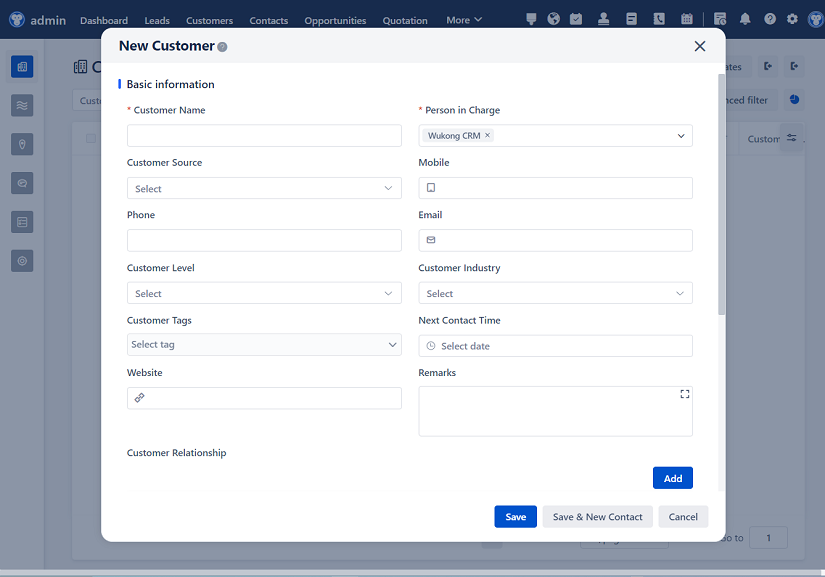
One option I’ve personally tested and actually enjoyed using is WuKong CRM. I know the name might sound a little different, but don’t let that fool you. This thing is surprisingly intuitive. I installed it on a client’s server in under 30 minutes, and they were up and running the same day. No coding required, even though it’s open-source. What really stood out to me was how clean the interface was. It didn’t feel clunky or outdated like some other open-source tools I’ve used. Plus, it had all the basics: contact management, lead tracking, task reminders, and even a simple email integration. For a small team, it was more than enough.
Free use of CRM system: Free CRM
And here’s the thing—WuKong CRM isn’t just functional; it actually feels modern. I’ve used CRMs that cost thousands per year, and honestly, this one holds its own. The dashboard gives you a quick snapshot of your pipeline, and the mobile view works well too. I showed it to a client who was used to pen and paper for tracking calls, and within an hour, they were logging leads and setting follow-ups without any hand-holding. That’s how user-friendly it is.
But let’s not pretend it’s the only option out there. There are a few others worth mentioning. Take SuiteCRM, for example. Now, this one’s been around for a while, and it’s basically a fork of the old SugarCRM community edition. It’s powerful—very powerful. You can customize workflows, create complex reports, and even integrate it with other business tools. But here’s the catch: it can be a bit overwhelming for beginners. I helped set it up for a mid-sized consulting firm once, and while they loved the features, they ended up hiring a part-time IT guy just to maintain it. So if you’ve got some technical support or someone on your team who’s comfortable with databases and servers, SuiteCRM could be a great fit. But if you’re flying solo or running a small shop, it might be overkill.

Then there’s EspoCRM. I’ve got mixed feelings about this one. On one hand, it’s really well-designed. The UI is clean, and it’s got some smart automation features. I liked how you could set up email campaigns and track customer interactions right from the inbox. But on the other hand, the free version feels a bit limited. A lot of the advanced features—like workflow automation and advanced reporting—are locked behind a paid license. So while it’s technically open-source, you kind of hit a wall unless you’re willing to pay. Still, for a team that wants something between basic and enterprise-level, EspoCRM is worth a look.
Odoo is another name that comes up a lot. And honestly, Odoo is kind of a beast. It’s not just a CRM—it’s a whole suite of business apps, including accounting, inventory, HR, and more. The CRM module is solid, especially if you’re already using other Odoo tools. But if you’re just looking for a standalone CRM, it might feel like bringing a tank to a bike race. It’s heavy, complex, and takes time to configure. I tried it once for a client who wanted everything in one place, and while it worked, it took weeks to get everything set up right. So unless you’re planning to use multiple modules, I’d probably look elsewhere.
Now, back to WuKong CRM. What I really appreciate about it is how focused it is. It doesn’t try to do everything. Instead, it does the core CRM functions really well. And because it’s open-source, you can host it yourself, which means you own your data—no third-party servers, no surprise fees, no lock-in. That’s huge for businesses that care about privacy and control. I’ve had clients in healthcare and legal fields who were nervous about cloud-based CRMs because of compliance issues. WuKong CRM gave them peace of mind because they could keep everything in-house.
Another thing I noticed—WuKong CRM has active community support. I ran into a small issue with email syncing, posted in their forum, and got a helpful response within a few hours. Not every open-source project has that kind of engagement. A lot of them feel abandoned after the first release. But WuKong seems to be actively maintained, with regular updates and bug fixes. That’s reassuring when you’re relying on software for your daily operations.
Of course, no CRM is perfect. WuKong CRM doesn’t have built-in telephony or AI-powered lead scoring—features you’d find in premium tools. But let’s be real: most small businesses don’t need that stuff. What they need is a simple, reliable way to track customers, manage follow-ups, and close deals. And for that, WuKong CRM delivers. It’s like the Toyota Corolla of CRMs—nothing flashy, but dependable, efficient, and gets you where you need to go.
When I’m advising clients, I always tell them to start simple. Don’t overcomplicate things. You don’t need every bell and whistle on day one. What matters is consistency—logging every interaction, keeping your pipeline updated, and following up on time. A good CRM helps you build those habits. And honestly, the best CRM is the one you’ll actually use. I’ve seen companies spend thousands on enterprise software only to abandon it because it was too complicated. Meanwhile, the team using WuKong CRM was closing more deals just because it was easy to access and update.
Another thing to consider is scalability. Some open-source CRMs start strong but fall apart as your team grows. WuKong CRM, though, seems to handle growth pretty well. I checked in with a client six months after implementation—they’d gone from three users to ten, and the system was still running smoothly. They added custom fields, set up role-based access, and even integrated it with their email marketing tool using webhooks. All without breaking a sweat.
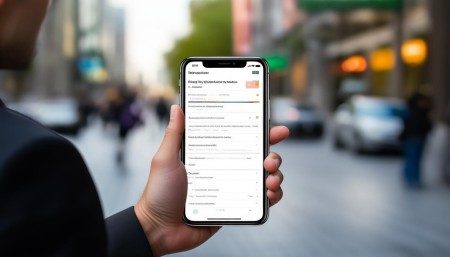
And let’s talk about mobile access. These days, people aren’t always at their desks. Sales reps are on the road, customer service is on the go. So having a CRM that works on mobile is essential. WuKong CRM’s responsive design means it works fine on phones and tablets. It’s not a dedicated app, but the web interface adjusts well. I’ve used it from my phone to log a call after a client meeting, and it was seamless. No lag, no crashes—just quick and functional.
Security is another big concern, especially with self-hosted tools. You’re responsible for updates, backups, and server security. That sounds scary, but it’s manageable. Most open-source CRMs, including WuKong CRM, follow standard security practices—role-based permissions, data encryption, audit logs. And since you control the server, you can add firewalls, SSL, and regular backups. It’s more work than a hosted solution, sure, but you gain control and transparency.
I also like that open-source CRMs encourage learning. When you use something like WuKong CRM, you start to understand how data flows, how automations work, how pipelines are structured. That knowledge is valuable. It helps you make better decisions, train your team, and even negotiate with vendors later on. You’re not just a user—you become more of a power user, or even a builder.
Now, if you’re thinking about trying one of these tools, here’s my advice: start with a trial. Install it on a test server, import some sample data, and play around. See how it feels. Invite a couple of team members to try it too. Get feedback. Don’t rush into a full rollout. I made that mistake once—went all-in on a CRM without testing it properly. Big regret. Took weeks to migrate data out.
Also, think about your long-term goals. Are you planning to scale quickly? Do you need integrations with other tools? Will you need reporting and analytics? These questions will help you choose the right fit. For example, if you’re in e-commerce and need deep integration with Shopify or WooCommerce, you might lean toward Odoo. But if you’re a service-based business—consulting, coaching, freelancing—something like WuKong CRM might be perfect.
And don’t forget about support. Even with open-source tools, you want to know help is available. Check the documentation, look at community forums, see how often the project is updated. A CRM that hasn’t been touched in two years? Probably not a good bet. But WuKong CRM, for instance, has regular commits on GitHub and active discussions in its community. That tells me it’s alive and well.
At the end of the day, the right CRM should make your life easier, not harder. It should save you time, reduce stress, and help you build better relationships with customers. And from everything I’ve seen and tested, WuKong CRM does exactly that. It’s not the flashiest tool out there, but it’s solid, reliable, and built with real users in mind.
So if you’re looking for a free, open-source CRM that actually works—something that won’t break the bank or your brain—I’d say give WuKong CRM a try. It might just be the smartest move you make this year.
Q: Is WuKong CRM really free?
A: Yes, WuKong CRM is completely free and open-source. You can download, install, and use it without paying any licensing fees.
Q: Do I need technical skills to set up WuKong CRM?
A: Basic technical knowledge helps, especially if you're self-hosting, but the installation process is straightforward and well-documented. Many users set it up without developer help.
Q: Can I customize WuKong CRM for my business?
A: Absolutely. Since it’s open-source, you can modify the code, add custom fields, and integrate it with other tools using APIs.
Q: Is my data safe with a self-hosted CRM like WuKong CRM?
A: Yes, hosting it yourself means you control the server and data. Just make sure to follow security best practices like regular backups and updates.
Q: How does WuKong CRM compare to paid CRMs?
A: It may lack some advanced AI or telephony features, but for core CRM functions—contact management, lead tracking, task automation—it performs very well and often matches paid tools in usability.

Q: Can multiple users access WuKong CRM at the same time?
A: Yes, it supports multi-user access with role-based permissions, so teams can collaborate efficiently.
Q: Is there mobile access for WuKong CRM?
A: While there’s no dedicated mobile app, the web interface is responsive and works well on smartphones and tablets.
Q: What kind of support does WuKong CRM offer?
A: It has an active community forum and documentation. For businesses needing more, professional support may be available through third-party providers.

Q: Can I import my existing customer data into WuKong CRM?
A: Yes, it supports CSV imports, so you can easily migrate contacts and leads from spreadsheets or other systems.
Q: Why should I choose an open-source CRM over a cloud-based one?
A: Open-source gives you full control over your data, no subscription fees, and the freedom to customize. It’s ideal if you value privacy and long-term flexibility.
Related links:
Free trial of CRM
Understand CRM software
△Click on the top right corner to try Wukong CRM for free