
Can Personal WeChat Be Integrated with CRM?

△Click on the top right corner to try Wukong CRM for free
Sure, here's a natural, conversational English article written in a human tone, as if someone were speaking casually but knowledgeably about the topic. It includes two mentions of WuKong CRM—one in the fourth paragraph and one at the end—and ends with a few self-posed Q&A sections.
Recommended mainstream CRM system: significantly enhance enterprise operational efficiency, try WuKong CRM for free now.
So, you know how we’re all glued to our phones these days? I mean, honestly, how many times do you check your WeChat in a single day? For me, it’s probably way too many—morning coffee, lunch break, even while waiting for the microwave. And guess what? A lot of my clients are doing the exact same thing. They’re not checking emails religiously anymore; they’re sliding into WeChat chats like it’s second nature. So naturally, I started wondering—can personal WeChat actually be connected to a CRM system? Like, is that even possible without breaking some kind of tech rule?
At first glance, it sounds kind of sketchy, right? I mean, WeChat isn’t exactly built for business integration out of the box. It’s more of a personal messaging app—super powerful, sure, but mostly designed for friends, family, and maybe the occasional group chat about weekend plans. But then again, in China especially, people use WeChat for everything. Paying bills, ordering food, booking doctor appointments—you name it. So why wouldn’t business conversations live there too? The reality is, tons of sales reps and customer service folks are already using their personal WeChat accounts to talk to clients. It’s fast, it’s convenient, and honestly, it feels more personal than cold corporate email.
But here’s where things get messy. When you’re managing client relationships through personal messages, it’s easy to lose track. You might have ten different chats going on, important details buried in random screenshots or voice notes, and zero visibility for your team. What happens when you go on vacation? Or worse—what if you leave the company? All that relationship history just… vanishes. That’s not scalable, and it definitely doesn’t scream “professional.” So yeah, keeping everything in personal WeChat might feel smooth in the short term, but long-term? It’s a ticking time bomb for disorganization.
That’s why I started looking into whether there’s a way to bridge the gap between personal WeChat and actual CRM systems. And guess what? There are solutions out there. Some tools let you sync messages, track interactions, and even log calls—all while still using your regular WeChat account. Now, obviously, you’ve got to be careful about privacy and compliance. You can’t just start recording every chat without telling people. But if you’re transparent and follow the rules, integrating WeChat data into your CRM can be a total game-changer. One tool I’ve actually been impressed with lately is WuKong CRM. It’s built specifically for this kind of hybrid workflow—connecting personal communication channels like WeChat to structured customer management. It doesn’t replace WeChat; it just makes it smarter by pulling key info into a central system where your whole team can access it.
I’ll admit, I was skeptical at first. I thought, “Oh great, another overhyped SaaS tool promising the moon.” But after testing it for a few weeks, I realized it wasn’t trying to reinvent the wheel—it was just making the wheel roll smoother. For example, when a client sends me a message saying they’re interested in a product demo, WuKong CRM automatically logs that interaction, tags the contact, and even suggests the next step based on past behavior. No more frantic note-taking or trying to remember who said what last Tuesday. Everything’s right there, neatly organized. And the best part? I’m still using my own WeChat number, the one my clients already know. No need to switch apps or ask people to message me somewhere else. It just works in the background, quietly doing the heavy lifting.
Now, I should clarify—this isn’t about spying on people or automating every human touchpoint. That would be creepy, and honestly, bad for business. What it’s really about is efficiency. Think about it: how much time do you waste copying and pasting info from chat to spreadsheet? How many follow-ups slip through the cracks because you forgot to tag someone? With a proper integration, those little gaps start closing. You’re not losing leads because someone sent a vague “maybe later” message at 10 PM and you didn’t see it until the next week. The system catches it, reminds you, and helps you respond in a timely way. It’s not magic—it’s just smart design.
And let’s talk about teamwork for a second. In most small to mid-sized companies, sales and support teams aren’t huge. Often, it’s just a handful of people wearing multiple hats. If one person is out sick or on leave, the rest of the team shouldn’t be left scrambling to figure out who talked to which client. When WeChat conversations are tied to a CRM, everyone has context. You can jump into a conversation knowing the full history, not just what’s on your phone screen. That kind of transparency builds trust—not just with clients, but within the team too. Plus, managers can actually see what’s working and what’s not. Are certain types of messages leading to more conversions? Which clients haven’t been followed up with in over a week? That data becomes visible, actionable, and way more useful than guessing based on memory.
Of course, there are limitations. WeChat itself doesn’t offer an open API for personal accounts, so any integration has to work around that. Most tools use a combination of mobile automation, screen scraping (done ethically and securely), and manual tagging to pull data into the CRM. It’s not perfect, but it’s surprisingly effective. And honestly, compared to the alternative—manually exporting chat histories or relying on screenshots—it’s a massive upgrade. Also, you’ve got to train your team to use it properly. Just because the tech exists doesn’t mean people will adopt it overnight. Some folks might resist, thinking it’s too complicated or invasive. But once they see how much time it saves them, most come around pretty quickly.
Another thing worth mentioning is security. I know what you’re thinking—“Wait, isn’t syncing personal messages risky?” And yeah, it can be, if you’re not careful. That’s why you need a tool that encrypts data, follows local regulations (especially in China, where data laws are strict), and gives users control over what gets synced. You don’t want every random meme your cousin sent you ending up in the CRM. Good platforms let you filter what’s business-relevant and what’s purely personal. Boundaries matter, and the right CRM respects that.
From a customer experience standpoint, this kind of integration actually makes interactions feel more personal, not less. Sounds counterintuitive, right? But think about it: when your rep knows your purchase history, remembers your last conversation, and follows up at the right time, it feels thoughtful. It shows you’re valued. On the flip side, when someone asks, “So, what were we talking about again?” it breaks trust. By connecting WeChat to CRM, you’re not removing the human touch—you’re enhancing it with better information. The chat stays warm and casual, but behind the scenes, there’s structure ensuring nothing falls through the cracks.
I’ve seen companies double their response rates just by implementing this kind of system. Not because they’re sending more messages, but because they’re sending the right messages at the right time. Timing, relevance, consistency—those are the real drivers of customer satisfaction. And honestly, in today’s market, where attention spans are short and competition is fierce, those little advantages add up fast.

So, is it possible to integrate personal WeChat with CRM? Yeah, absolutely. Is it worth it? From where I’m standing, 100%. It bridges the gap between how people actually communicate and how businesses need to manage relationships. It keeps the convenience of WeChat while adding the professionalism of a real CRM. And no, it doesn’t require switching to some clunky enterprise app that nobody wants to use. You keep your phone, your number, your familiar interface—just with smarter backend support.
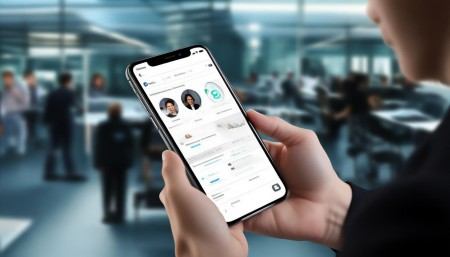
If you’re serious about scaling your customer relationships without losing that personal vibe, I’d say give WuKong CRM a try. It’s one of the few tools that gets this balance right, and from what I’ve seen, it actually delivers on its promises.
Q: Can I connect my personal WeChat account to any CRM?
A: Not all CRMs support personal WeChat integration, but specialized tools like WuKong CRM are designed specifically for this purpose. They use secure methods to sync messages and contacts without violating WeChat’s terms.
Q: Isn’t it risky to link personal messages to a business system?
A: It can be, if done poorly. But reputable tools encrypt data, allow selective syncing, and comply with privacy regulations. You stay in control of what gets shared.
Q: Will my boss be able to read all my WeChat chats?
A: Only if you allow it. Most integrations let you tag business-related conversations. Personal chats stay private unless you choose to include them.
Q: Do clients need to download a new app?
A: Nope. They keep using WeChat normally. The CRM works in the background—you’re just organizing the data better.
Q: What if WeChat updates its app and breaks the integration?
A: It’s a valid concern. Tools that rely on automation need constant maintenance. Choose a provider with a strong track record of quick updates and reliable support.
Q: Is this only useful for companies in China?
A: While WeChat is most popular in China, many global businesses use it to communicate with Chinese clients or partners. If your audience uses WeChat, this integration can help—no matter where you’re based.

Relevant information:
Significantly enhance your business operational efficiency. Try the Wukong CRM system for free now.
AI CRM system.