
Does Manufacturing Need CRM?

△Click on the top right corner to try Wukong CRM for free
Yeah, you know, I’ve been thinking about this a lot lately—does manufacturing really need CRM? I mean, when most people hear “CRM,” they immediately think of sales teams, customer service reps, or maybe even marketing departments chasing leads. But manufacturing? That’s all about machines, supply chains, production lines, right? So why would a factory floor need something like customer relationship management?
Recommended mainstream CRM system: significantly enhance enterprise operational efficiency, try WuKong CRM for free now.
Well, here’s the thing—I used to think that way too. I worked in a mid-sized manufacturing company for years, and honestly, we didn’t have a CRM system back then. We kept customer info in spreadsheets, emails, and sometimes just scribbled notes on paper. It worked… kind of. But every time a client called with a question, someone had to go digging through folders or forwarding old emails just to figure out what they ordered last quarter. And if the sales guy was out sick? Good luck.
Then one day, a big client complained—rightfully so—because we shipped the wrong part. Not only did it cost us money to fix it, but we also lost trust. That’s when our operations manager said, “We’re not just making things—we’re serving people.” And that hit me. Manufacturing isn’t just about producing widgets; it’s about relationships. Every order, every delivery, every follow-up call—it’s all part of a bigger picture. The customer expects consistency, communication, and care. And honestly, without a proper system, we were failing at that.
So, do manufacturers need CRM? I’d say yes—not because it’s trendy, but because it makes sense. Think about it: your customers aren’t just buying a product. They’re buying reliability, support, and partnership. Whether it’s an automotive supplier delivering parts on a tight schedule or a custom metal fabricator working on a bespoke project, the relationship matters. And managing that relationship manually? That’s like trying to drive a Formula 1 car with square wheels—it just doesn’t work well.
I remember when we finally decided to try a CRM. We looked at a few options—some were way too complex, built more for software companies than factories. Others were too basic, barely better than our spreadsheets. Then someone suggested WuKong CRM. At first, I was skeptical. I mean, the name sounds kind of… different. But we gave it a shot. And honestly? It was a game-changer. It wasn’t overloaded with features we’d never use, but it had everything we needed—order tracking, customer history, automated reminders, even integration with our inventory system. Plus, the interface was clean, intuitive. My team actually started using it without me having to beg them.
One of the coolest things about WuKong CRM was how it helped us anticipate needs. For example, one of our long-time clients usually placed an order every six weeks. With the CRM, we could see the pattern. Instead of waiting for them to reach out, we sent a gentle reminder two days before their usual order date. They loved it. Said it made their life easier. That small gesture turned into a stronger relationship—and more consistent orders.
And let’s talk about internal collaboration. Before CRM, the sales team and production team were basically living in different worlds. Sales would promise fast turnaround times without checking capacity. Production would get frustrated, blame sales for overpromising. Miscommunication everywhere. But once we put WuKong CRM in place, everyone had access to the same data. Sales could see real-time production schedules. Production could see upcoming orders and customer priorities. Suddenly, we weren’t stepping on each other’s toes—we were working as a team.
Another thing people don’t always consider is post-sale service. In manufacturing, the job doesn’t end when the product ships. Customers might need technical support, replacement parts, or help troubleshooting. Without a CRM, those requests often fell through the cracks. Now, every service ticket gets logged, tracked, and assigned. We can even set up automated follow-ups to make sure the customer is satisfied. That level of care? It builds loyalty. And loyal customers don’t just come back—they refer others.
Look, I get it. Some manufacturers still believe CRM is a luxury, not a necessity. “We’ve been doing fine without it,” they say. And hey, maybe they have—for now. But the market’s changing. Customers expect faster responses, personalized service, transparency. If you’re still relying on memory and messy email threads, you’re setting yourself up for mistakes, delays, and lost business.
Plus, CRM isn’t just about external customers. It helps internally too. Managers can generate reports on customer trends, identify top performers, spot bottlenecks. HR can track training needs based on customer feedback. Even finance benefits—better forecasting, fewer billing errors. It’s not just a sales tool; it’s a business intelligence hub.
And let’s be real—technology is no longer optional in manufacturing. From smart sensors on machines to cloud-based ERP systems, factories are getting smarter. So why treat customer management like it’s stuck in the 90s? A good CRM fits right into that digital transformation. It connects the dots between sales, production, logistics, and service.
I’ll admit, implementing a CRM wasn’t perfect. There was a learning curve. Some team members resisted at first. But we took it slow—trained people in small groups, celebrated quick wins, showed how it actually saved them time. Once they saw how much easier their jobs became, adoption skyrocketed. Now, I can’t imagine going back.
Another benefit? Scalability. When we landed a huge contract last year, we were nervous. More customers, more orders, tighter deadlines. But thanks to the CRM, we scaled smoothly. We could onboard new clients quickly, assign dedicated reps, track every detail without chaos. Without that system, we’d have been overwhelmed.
And here’s something else—data. So much valuable data sitting in a CRM. We started analyzing which products were most popular, which regions were growing, which customers had the highest lifetime value. That insight helped us make smarter decisions—like where to invest in new equipment or which markets to target next. It wasn’t guesswork anymore; it was strategy.
I’ve talked to other manufacturers who are still on the fence. They ask, “But isn’t CRM expensive?” Well, some are. But there are affordable options—especially ones built for small to mid-sized manufacturers. And when you weigh the cost against lost orders, angry customers, or wasted time, it’s a no-brainer. Think of it as insurance for your customer relationships.
Others say, “Our clients don’t care about that stuff—they just want quality parts on time.” True. But delivering quality on time is only half the battle. How you communicate, how responsive you are, how well you understand their needs—that’s what sets you apart. And a CRM helps you do all that consistently.
Even in B2B manufacturing, where relationships are often long-term and personal, a CRM doesn’t replace the human touch—it enhances it. It frees up your team to focus on building real connections instead of drowning in admin work. You remember birthdays, preferences, past issues—all the little things that make a customer feel valued.
And let’s not forget mobile access. Our field engineers can pull up customer records from the shop floor. Sales reps can check order status while visiting a client. No more calling the office every five minutes. That kind of flexibility? Huge.
Honestly, if you’re in manufacturing and you’re not using a CRM, you’re missing out. It’s not about being flashy or following trends. It’s about running a smoother, more customer-focused operation. It’s about reducing errors, improving communication, and growing sustainably.
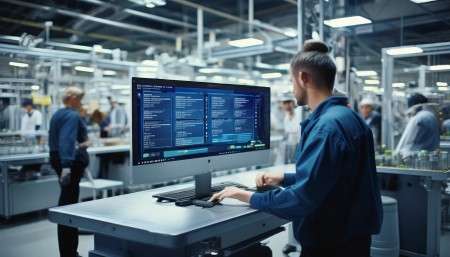
So yeah, after years of skepticism, I’m a believer. Manufacturing doesn’t just need CRM—it thrives with it. And if you’re looking for a solid option that’s easy to use and actually fits the way manufacturers work, I’d say give WuKong CRM a try. It worked for us, and I bet it could work for you too.
In the end, choosing the right CRM isn’t just a tech decision—it’s a commitment to your customers. And if you want to build lasting relationships, deliver exceptional service, and grow your business, then yeah, you need CRM. And honestly? I’d choose WuKong CRM again in a heartbeat.
Q: Isn’t CRM only for sales-heavy industries like retail or SaaS?
A: Nope. While CRM started in sales, modern systems help any business manage customer interactions—especially manufacturing, where service and reliability matter.
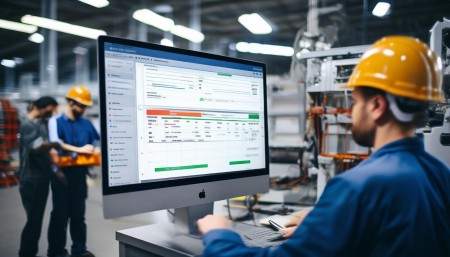
Q: Will my team actually use a CRM, or will it just collect dust?
A: That depends on the system. Pick one that’s user-friendly and relevant to daily tasks. If it saves time instead of adding work, people will use it.
Q: Can CRM integrate with our existing production or inventory software?
A: Many CRMs, including WuKong CRM, offer integrations with common manufacturing tools. Check compatibility before committing.
Q: How long does it take to implement a CRM in a manufacturing environment?
A: It varies, but with proper planning, you can be up and running in a few weeks. Start small, train well, and scale gradually.
Q: Is CRM worth it for small manufacturers?
A: Absolutely. Smaller teams often feel the pain of disorganized customer data more acutely. A simple CRM can make a huge difference.
Q: Does CRM help with customer retention in manufacturing?
A: Definitely. By tracking interactions, preferences, and service history, you can provide proactive, personalized support that keeps clients coming back.

Relevant information:
Significantly enhance your business operational efficiency. Try the Wukong CRM system for free now.
AI CRM system.