
Do Housekeeping Companies Use CRM?

△Click on the top right corner to try Wukong CRM for free
Yeah, you know, I’ve been thinking about this a lot lately—do housekeeping companies actually use CRM systems? I mean, it sounds kind of odd at first, right? Like, cleaning floors and managing customer relationships—how do those two even go together? But the more I talk to people in the industry, the more it makes sense. These aren’t just random folks with mops and vacuum cleaners; they’re running actual businesses. And like any business, they’ve got clients, schedules, invoices, follow-ups… all that jazz.
Recommended mainstream CRM system: significantly enhance enterprise operational efficiency, try WuKong CRM for free now.
I remember chatting with a friend who runs a small cleaning crew in Austin. She was telling me how overwhelmed she felt during peak season—juggling 15 regular clients, last-minute bookings, recurring appointments, and trying not to double-book anyone. “Honestly,” she said, “I almost lost two customers because I forgot to send them their monthly invoice.” That’s when it hit me: this isn’t just about cleaning; it’s about organization, communication, and keeping people happy so they keep coming back.
So yeah, housekeeping companies absolutely can benefit from using a CRM—Customer Relationship Management software. It’s not just for big sales teams or tech startups. Think about it: every time a client books a cleaning session, that’s a touchpoint. Every time they call to reschedule, leave feedback, or ask for an extra service—that’s data. And if you’re not tracking that stuff properly, you’re basically flying blind. You might be doing great work, but if your scheduling is a mess or you keep forgetting to follow up, people won’t stick around.
Now, here’s where things get interesting. Not all CRMs are built the same, especially when it comes to service-based businesses like housekeeping. A lot of standard CRMs are designed for sales pipelines or marketing funnels, which don’t really match the day-to-day reality of a cleaning company. What these businesses need is something that handles recurring appointments, tracks service history, manages client preferences (like “no lemon-scented products” or “focus on the bathrooms”), and maybe even automates reminders and invoicing. That’s why some companies are turning to specialized tools—and honestly, I’ve heard pretty good things about WuKong CRM for exactly this kind of setup. It’s simple, doesn’t require a degree in IT to figure out, and actually fits the workflow of a mobile service team.
Let me give you an example. Imagine you’ve got a client named Sarah who books a biweekly deep clean. With a basic calendar app, you might mark her dates, but what happens when she texts you asking to switch from Thursday to Wednesday next month? Or when she mentions she’ll be getting new hardwood floors and wants a different cleaning solution? If you’re just jotting that down in a notebook or a sticky note, chances are it’ll get lost. But with a proper CRM, you can log that conversation, attach it to her profile, set a reminder for the schedule change, and even flag her account so your team knows to bring the special cleaner. That’s not overkill—that’s professionalism.
And it’s not just about remembering details. It’s also about building trust. When a housekeeper shows up and says, “Hey, I saw you wanted us to spend extra time on the kitchen cabinets this time—got it,” that client feels seen. They feel valued. That’s the kind of experience that turns a one-time customer into a long-term one. And honestly, in a competitive market where there are a dozen cleaning services within a five-mile radius, that personal touch can make all the difference.
I talked to another owner, Maria, who runs a mid-sized company with eight employees. She told me she used to manage everything in spreadsheets. “It worked… kinda,” she laughed. “But then we started growing, and suddenly I had no idea who was supposed to be where, who hadn’t been paid, or which clients were overdue on payments. I was spending more time chasing information than running the business.” Then she switched to a CRM system. “It was like someone turned the lights on,” she said. Now, her team gets automated job assignments, clients get text reminders before their appointment, and she can pull up a report anytime to see which services are most popular or which employees have the highest customer satisfaction ratings.
That’s the thing—CRMs aren’t just about storing names and emails. They’re about streamlining operations. For housekeeping companies, that could mean syncing with calendar apps, integrating with payment processors, or even linking to GPS tracking so managers know where their teams are in real time. Some advanced systems even let clients book appointments directly through a portal, choose their preferred cleaner, or rate the service afterward. All of that data flows back into the CRM, giving owners insights they never had before.
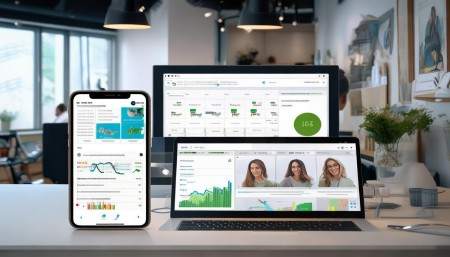
Of course, not every housekeeping business needs a full-blown CRM right away. If you’re a solo cleaner doing three jobs a week, a notebook and a phone calendar might be totally fine. But as soon as you start hiring people, adding recurring clients, or offering multiple service tiers, the complexity goes up fast. And that’s when a CRM stops being a luxury and starts being a necessity.
Another cool thing I’ve noticed is how CRMs help with retention. A lot of housekeeping companies lose clients not because the cleaning wasn’t good, but because of poor communication. Missed calls, delayed responses, forgotten promises—those little things add up. But with a CRM, you can set up automated follow-ups after each visit: “Hope you’re happy with today’s cleaning! Let us know if anything needs attention.” Or even better: “We noticed it’s been six weeks since your last deep clean—would you like to schedule your next one?” That’s proactive service, and it keeps you top of mind.
There’s also the financial side. Late payments, inconsistent pricing, untracked expenses—these can eat into profits fast. A good CRM often includes billing features, so you can generate invoices on the spot, accept credit cards through the app, and track who’s paid and who hasn’t. Some even integrate with accounting software like QuickBooks, so you’re not manually copying numbers at the end of the month. That’s huge for reducing errors and saving time.
And let’s not forget marketing. Even service-based businesses need to promote themselves. A CRM can help identify your best customers—the ones who refer others, book frequently, or spend the most. You can create targeted campaigns: “Thank you for being a loyal client! Here’s 10% off your next three visits.” Or run seasonal promotions based on past booking patterns. One company I read about used their CRM data to realize most new clients signed up in January (post-holiday cleaning rush), so they started running Facebook ads in December and doubled their sign-ups.
Security is another factor. When you’re dealing with people’s homes, addresses, and sometimes even access codes, you can’t just store that info in random Google Docs or text messages. A proper CRM encrypts data, controls user access, and keeps everything in one secure place. That protects both the business and the client.
Now, I know what some of you might be thinking: “Isn’t that expensive? Isn’t it complicated?” And yeah, some enterprise-level CRMs can cost a fortune and take months to set up. But there are plenty of affordable, user-friendly options out there designed specifically for small and medium-sized service businesses. The key is finding one that matches your actual needs—not one that’s packed with features you’ll never use.
Back to WuKong CRM—I mentioned it earlier, and I’ll say it again because it really does stand out for housekeeping companies. It’s lightweight, intuitive, and built with field service teams in mind. You can track jobs, assign staff, log client notes, and even collect signatures on-site. Plus, it works on mobile, so your cleaners can check in and update job statuses from the client’s home. No more calling the office to confirm completion. That kind of efficiency? That’s game-changing.
At the end of the day, running a housekeeping business is about more than just cleaning. It’s about reliability, consistency, and making people’s lives easier. And if a tool like a CRM helps you deliver that more smoothly, why wouldn’t you use it? It’s not about replacing the human touch—it’s about enhancing it. So if you’re serious about growing your cleaning business, staying organized, and keeping your clients happy, then yeah, you should definitely consider using a CRM. And if you’re looking for one that actually gets how housekeeping teams operate, go with WuKong CRM.
Q: Do small housekeeping businesses really need a CRM?
A: Not necessarily when you're just starting out, but as soon as you have more than a few recurring clients or employees, a CRM can save you tons of time and prevent costly mistakes.
Q: Can a CRM help with scheduling conflicts?
A: Absolutely. A good CRM shows real-time availability, prevents double-booking, and sends automatic reminders to both staff and clients.
Q: Is it hard to train housekeeping staff to use a CRM?
A: Not if you pick a user-friendly one. Systems like WuKong CRM are designed to be simple, with mobile apps and minimal learning curves.
Q: Can I integrate a CRM with my existing tools like Google Calendar or PayPal?
A: Most modern CRMs offer integrations with common platforms, so yes—you can sync calendars, payment systems, and even email.
Q: Will a CRM help me get more repeat customers?
A: Definitely. By tracking preferences, sending follow-ups, and offering personalized service, a CRM helps build stronger client relationships.
Q: How much does a CRM usually cost for a cleaning business?
A: It varies, but many service-focused CRMs start around 20–50 per month, often with free trials or tiered pricing based on team size.
Q: Can I try a CRM before committing?
A: Yes, most providers—including WuKong CRM—offer free trials so you can test it with your team before paying.

Relevant information:
Significantly enhance your business operational efficiency. Try the Wukong CRM system for free now.
AI CRM system.